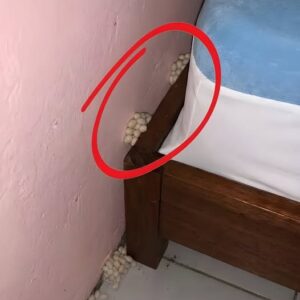
She saw it the moment the door clicked shut.
A tiny blue dot, staring back from the frame like a secret only the staff was meant to know. In a place where you’re supposed to finally exhale,
it felt like a warning. Was she being watched, tracked, chosen? Online horror stories rushed in, her heartbeat quicken…
Alone in a strange city, that small blue sticker became impossible to ignore. It didn’t belong to the décor, and it didn’t feel accidental. In a
world saturated with viral posts about “marks” on cars, doors, and luggage, it’s easy to imagine the worst. Her sanctuary suddenly felt like a
stage, and she couldn’t shake the sense that someone else knew a script she didn’t. That unease is the quiet tax of modern travel: the fear that
the invisible systems around us might be working against us.
Yet the truth, in this case, lived firmly in the realm of the ordinary. The blue dot was not a secret code for criminals, but a simple tool for
overworked hotel staff—a visual confirmation that the room had been deep-cleaned, inspected, or repaired. What felt ominous was actually a
sign of diligence. By calling the front desk, asking directly, and hearing the explanation, my mother reclaimed her calm. The mystery
dissolved, replaced by a deeper understanding of how many unseen details go into making a room feel safe. In the end, awareness and
curiosity didn’t ruin her trip; they strengthened her trust, allowing her to close the door, lock it, and finally rest.