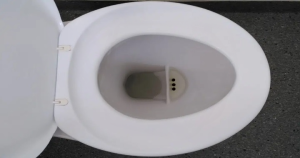
Have you ever walked into a bathroom, lifted the lid of a toilet, and paused mid-step because something seemed… off? Instead of the usual smooth slope into the water, there it was—a small, flat shelf sitting just above the waterline, almost like a tiny landing pad. At first glance, you might think, Did the plumber make a mistake? Did they run out of parts?
Surprisingly, no. That peculiar shelf isn’t an accident. It’s a deliberate feature known as a shelf toilet, or more formally, the German shelf toilet. Odd as it may look, there’s a method to this unusual design, and it has a story stretching back more than a century.
If you’re wondering why anyone would design a toilet that doesn’t send everything straight into the water, it helps to think historically. Long before modern medical tests existed, people relied on visible clues from their stool to spot health issues. That tiny platform made it easier to inspect waste for signs of disease, parasites, or diet-related problems.
In other words, the shelf toilet was an early form of self-monitoring for personal health. While it may not be the most glamorous innovation, it served a very practical purpose—helping people notice potential issues before visiting a doctor was even common practice.
Unexpected Benefits
The shelf toilet isn’t just a medical tool; it comes with a few practical perks that might surprise you.
1. Reduced Splashback: Everyone knows the uncomfortable experience of… well, splashback. Because the waste lands on a dry platform instead of directly into water, this design minimizes those awkward moments.
2. Cleaner Surroundings: Less contact with water also means fewer bacteria splashes and a slightly more sanitary experience. The shelf allows for inspection without immediately contaminating the water in the bowl, giving the user a cleaner start.
Why Aren’t Shelf Toilets Everywhere?
If the shelf toilet has such clear advantages, why isn’t it more common around the world? The answer lies in different approaches to hygiene and plumbing preferences.
In countries like the United States, washdown toilets—where waste drops straight into water—are favored. They are highly effective at controlling odors and maintaining hygiene, as the water immediately covers the waste and reduces the chance of contamination.
In contrast, the shelf toilet remains popular in parts of Europe, particularly Germany, the Netherlands, and Sweden. It’s also sometimes found in older buildings or medical facilities, where clear visibility of stool can aid in health assessments.
Encountering a Shelf Toilet: Tips for First-Timers
If you happen upon a shelf toilet while traveling or staying at a hotel, here’s how to handle it with ease:
- Stay Calm: It’s not broken. The shelf is working exactly as intended.
- Flush Promptly: To prevent odors from lingering, flush as soon as possible.
- Use a Brush if Needed: Some users may need to give the shelf a quick clean afterward. This is normal and expected—the tools are usually conveniently placed nearby.
A Quirky Piece of Plumbing History
What may seem like an odd quirk at first glance is actually a fascinating piece of plumbing history. For over a century, this design has quietly helped people monitor their health in ways that were surprisingly effective for the time.
The shelf toilet isn’t about style; it’s about function. It reminds us that even something as mundane as a bathroom fixture can carry practical wisdom, shaped by cultural habits and historical needs. In Europe, it continues to serve its purpose quietly, bridging the gap between health awareness and everyday life.
So next time you encounter a shelf toilet, try to look beyond the unusual design. It’s not just a toilet—it’s a thoughtful tool, a subtle nod to generations who valued awareness and careful observation, one flush at a time.